Crafting the Perfect Valentine's Party Social Media Post
There’s a particular kind of energy that builds around a Valentine’s Day celebration. It’s a mix of romance, friendship, and fun—a chance to connect with people you care about. Translating that energy into a digital invitation or social media graphic is where the real challenge, and the real fun, begins. You need something that stops the scroll, feels festive, and communicates all the essential details without feeling cluttered. That’s where having the right design asset becomes invaluable, transforming a simple announcement into an engaging visual experience.
Beyond the Generic: Why a Tailored Template Wins
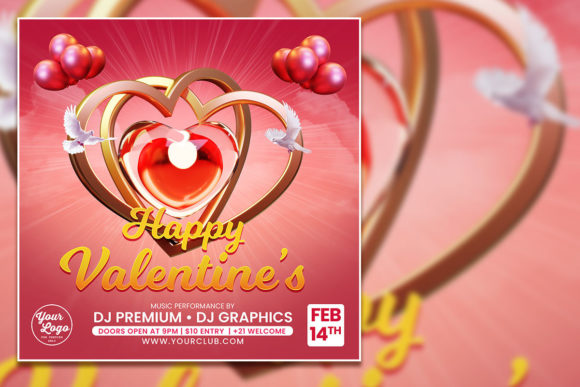
We’ve all seen them—the generic, one-size-fits-all holiday graphics that fail to capture any specific vibe. A truly effective Valentine's Party Social Media Post needs to reflect the personality of the event and the host. Is it a sophisticated soiree for couples, a fun "Galentine's" brunch, or a lively community mixer? The visual tone should match. A thoughtfully designed template provides the professional foundation while offering the flexibility to inject that personal character. It’s the difference between looking like you copied something online and looking like you had a designer on call.
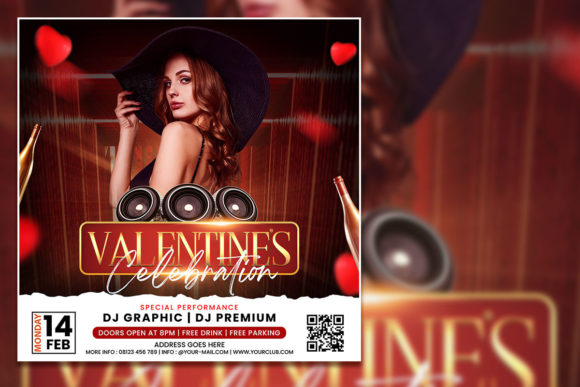
This is precisely the value of a fully editable asset like a Valentine's Flyer Template. It’s not a static image you’re stuck with. It’s a starting point. The layered PSD file means you control every element. Swap the color palette from classic red and pink to something more modern like burgundy and gold, or even a playful pastel scheme. Adjust the layout to give more prominence to a photo, a catchy headline, or the event details. This level of control ensures your final Valentine's Celebration Editable PSD Template output is uniquely yours, perfectly aligned with your brand or personal aesthetic.
Practical Magic: From Digital Invite to Physical Decor
The true power of a versatile design file is its ability to live across multiple platforms and mediums. Consider the journey of a single design concept:
- Social Media & Digital Marketing: The primary use, of course. A stunning graphic for Instagram Stories, a square post for Facebook, or an eye-catching pin for Pinterest. The high-resolution (300 dpi) and square (2000x2000 pixel) format is optimized for these feeds, ensuring crisp, clear visuals that look professional on any screen.
- Print Materials & Physical Invitations: Don’t limit the design to the screen. The same file can be exported for high-quality printing. Create actual paper invitations, table tent cards for the event, or even a framed poster for the entrance. The Photoshop Template structure ensures the design scales cleanly for these physical applications.
- Website & Blog Graphics: Hosting a blog post about "10 Best Valentine's Party Games"? Use a modified version of the template as a featured image or an in-article graphic. This creates visual consistency across your digital presence, strengthening your brand identity.
- Merchandise & Packaging: For a small business, a Valentine's theme can extend to product packaging, sticker sheets, or limited-edition merchandise. The design elements from the template can be adapted and integrated into these packaging design projects, offering a cohesive seasonal look.
This multi-use approach isn’t just efficient; it’s smart branding. Repetition of visual elements across different touchpoints builds recognition. Your audience starts to associate that specific color scheme, font pairing, or graphic style with your event or business, which is a cornerstone of effective marketing.
Making It Yours: The Editor’s Mindset
Downloading a premium font or a Photoshop Template is just step one. The magic happens in the editing phase. Here’s how to approach it like a pro:
- Start with the Text: The most common edit. Using the text tool, replace the placeholder text with your event details. But think beyond just the "what" and "when." Use the headline to create intrigue. Instead of "Valentine's Party," try "Love is in the Air: Join Our Cocktail Mixer."
- Typography as Tone: If the included script font feels too formal, swap it for a modern sans serif for a cleaner, more contemporary feel. The help file with the download link makes this easy. Remember, font choice is a powerful communicator—it sets the mood before a single word is read.
- Imagery is Everything: The prompt to "replace the photo with your photo" is crucial. A personal photo of the venue, a styled flat-lay of party favors, or even a happy group shot from a past event instantly makes the design more authentic and engaging. It tells a story.
- Play with the Layers: Since the file has organized layers, don’t be afraid to experiment. Hide a decorative element you don’t like, change the opacity of a background layer, or move components around to better fit your content. This is where you transition from using a template to truly designing with it.
This hands-on process also allows you to test font pairings. Does the handwritten font for the headline work with the serif font for the details? Or would a display font paired with a clean sans serif create better readability and visual hierarchy? These are the small decisions that elevate a design from good to great.
A Smart Investment for Recurring Creativity
For the entrepreneur, marketer, or content creator, assets like this are about more than a single event. They represent a reusable toolkit. The design principles and structure of a well-made editable PSD template can inform your approach to future campaigns. The RGB color mode is perfect for digital use, ensuring colors pop on screens. Understanding how the file is organized teaches you about professional design workflow.
Ultimately, a successful Valentine's Party Social Media Post achieves one goal: it makes people want to attend. It feels inviting, clear, and exciting. By starting with a robust, customizable foundation and applying your own creative judgment, you can produce marketing materials that not only look professional but also genuinely capture the spirit of your celebration. It’s about using design assets strategically to communicate, connect, and celebrate.